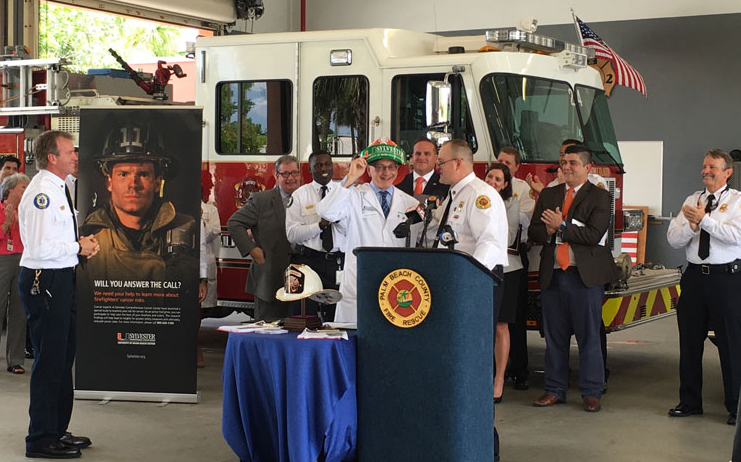
Surrounded by firefighters, advocates and lawmakers, researchers at Sylvester Comprehensive Cancer Center announced that they are extending the Firefighters Cancer Initiative started nearly one year ago. The goal of the partnership between South Florida’s only academic-based cancer center and more than a dozen South Florida fire rescue departments is to better understand why firefighters may face a higher risk of cancer and find ways to improve their health and safety.
Eye Color Determines Risk for Cancer

Clinical and epidemiological data have always pointed to eye cancer being more common among those individuals with light eye coloration and fair skin—however, the genetic mechanisms underlying disease development have been largely unknown. Now new research from investigators at The Ohio State University (OSU) and New York University (NYU) sheds light on specific inherited genetic differences for an increased risk of uveal melanoma, a rare cancer that arises from the pigment cells that determine eye color.
Two Genes May Help Predict Breast Cancer Survival
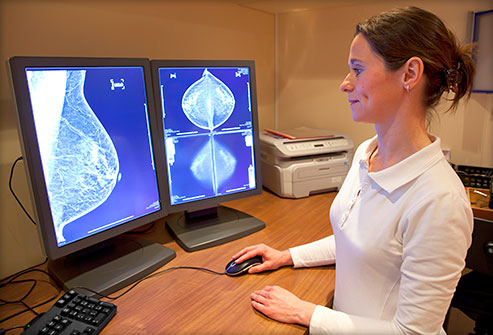
The activity of two genes may help predict certain breast cancer patients’ chances of survival and guide their treatment, British researchers report. “We have seen major strides in the treatment of breast cancer, but once it begins to spread round the body it is still often fatal,” said Paul Workman. He is chief executive of the Institute of Cancer Research (ICR) in London, which conducted the research.
Cancer Link dedicated to finding ultimate cure for breast cancer

If you want to become involved in an effort that is truly saving lives, then join forces with Cancer Link, either as an individual committee member or as a community partner.
Nano beads fight liver cancer
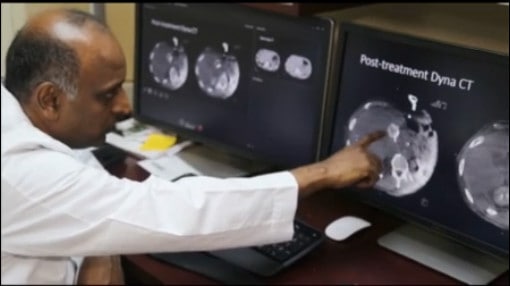
A new type of Nano bead, a medical magnetic bead, may offer better treatment for some liver cancers. It’s called the LUMI bead and it lets doctors see in real time if the bead is delivered to the target.
Curing childhood cancer will take a multi-pronged attack across many fronts
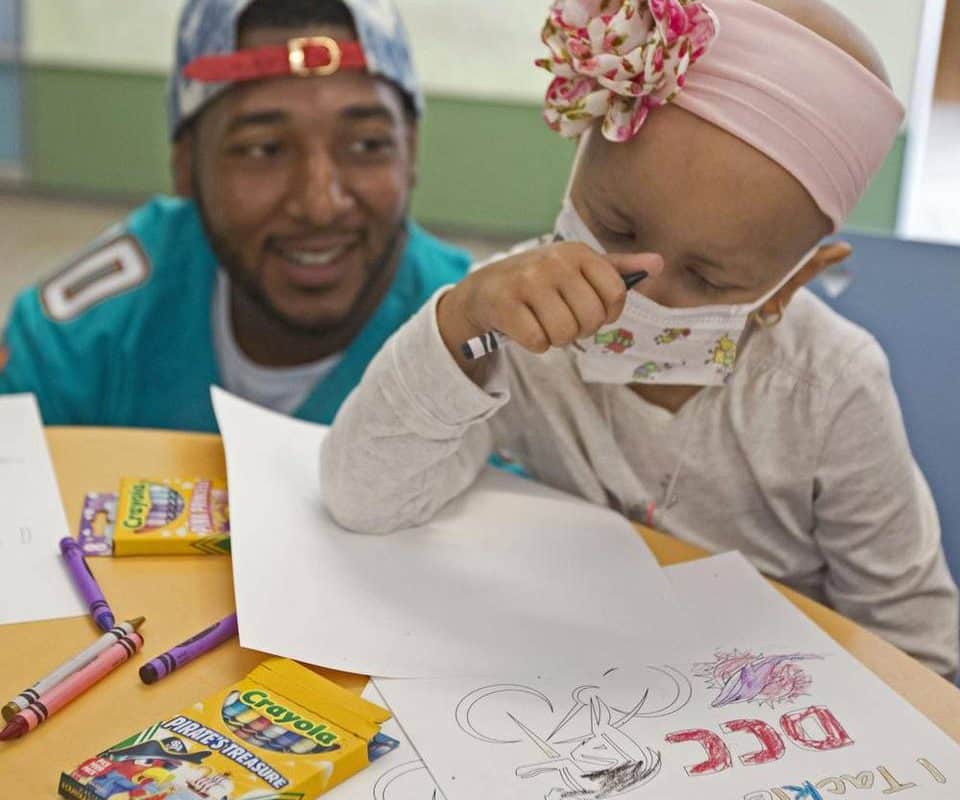
Over the past years, significant progress has been made in the fight against childhood cancer. Still, more than 15,000 young Americans under the age of 21 will be diagnosed with cancer this year, and more than 1,800 of them will not survive.
Ado-trastuzumab emtansine effective for previously treated HER-2–positive metastatic breast cancer
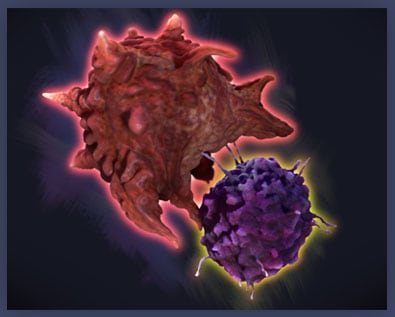
Ado-trastuzumab emtansine may provide meaningful benefit to patients with HER-2–positive metastatic breast cancer who underwent prior treatment with trastuzumab and pertuzumab, according to retrospective study results.
The Case of the Missing T-Cells
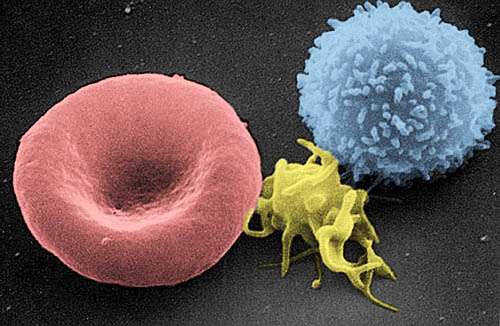
We talk a lot about the hardware that’s going to get us to Mars, but the most important things about human spaceflight is, well, humans! There’s a lot of research going into the impact space travel has on the body. Just think back to Scott Kelly’s year in space.